
SILICON DRAMA · EPISODE 26 · OCTOBER 24, 2026
Silicon Drama Episode 26: David Trains the Robots. Jensen Sells the Tools.
Technology news, told as a power drama.
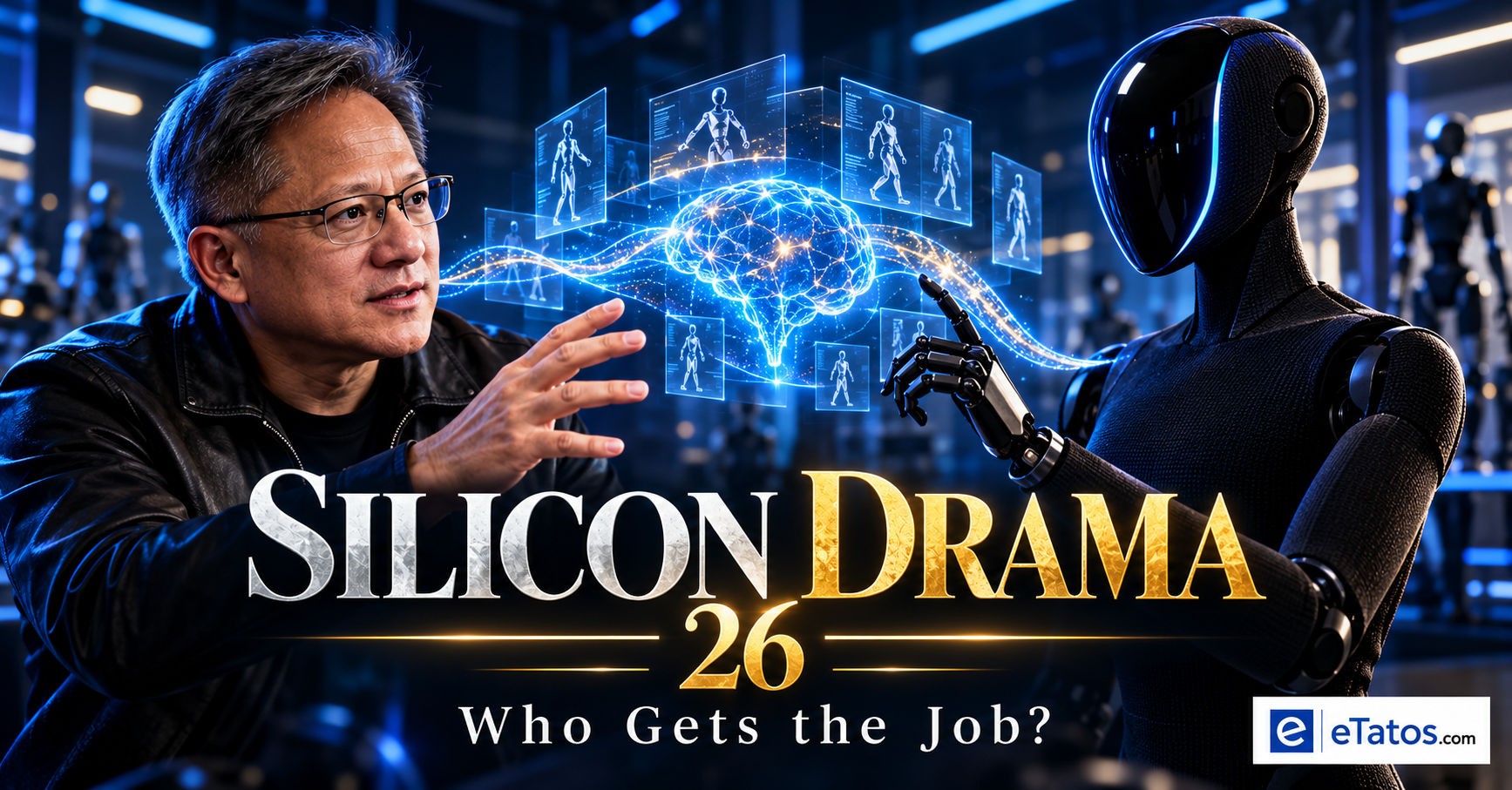
Editorial illustration, created with ImageGen.
David Reger has opened a school for robots. Jensen Huang supplies more of the equipment. Between them sits an industrial customer with a box to fold, a shift to fill and a growing suspicion that buying the body was the easy part.
NEURA's new 4NE1 Gen 4 arrives alongside the TUM RoboGym, while NVIDIA extends its reach from robot training into the computer inside the machine. Whoever teaches the job gets a claim on the working day. Whoever supplies the tools can stay involved long after graduation.
Sam Altman has found a different entrance: Sundar Pichai's Google Cloud. Dario Amodei, meanwhile, wants Claude to keep working after the laptop closes. The week's most revealing competition is over who gets to become indispensable before the customer notices how much depends on them.
This week:
- David opens the gym; Figure brings a treadmill record, Digit a charging schedule, and Unitree a bodyguard with a warning label.
- Jensen supplies more of the robot's world, while Sam finds room inside a model rival's shop.
- Dario gives the assistant its own desk. OpenAI supplies a reminder to keep the supervisor's controls out of reach.
Act I: David Opens a School for Robot Work
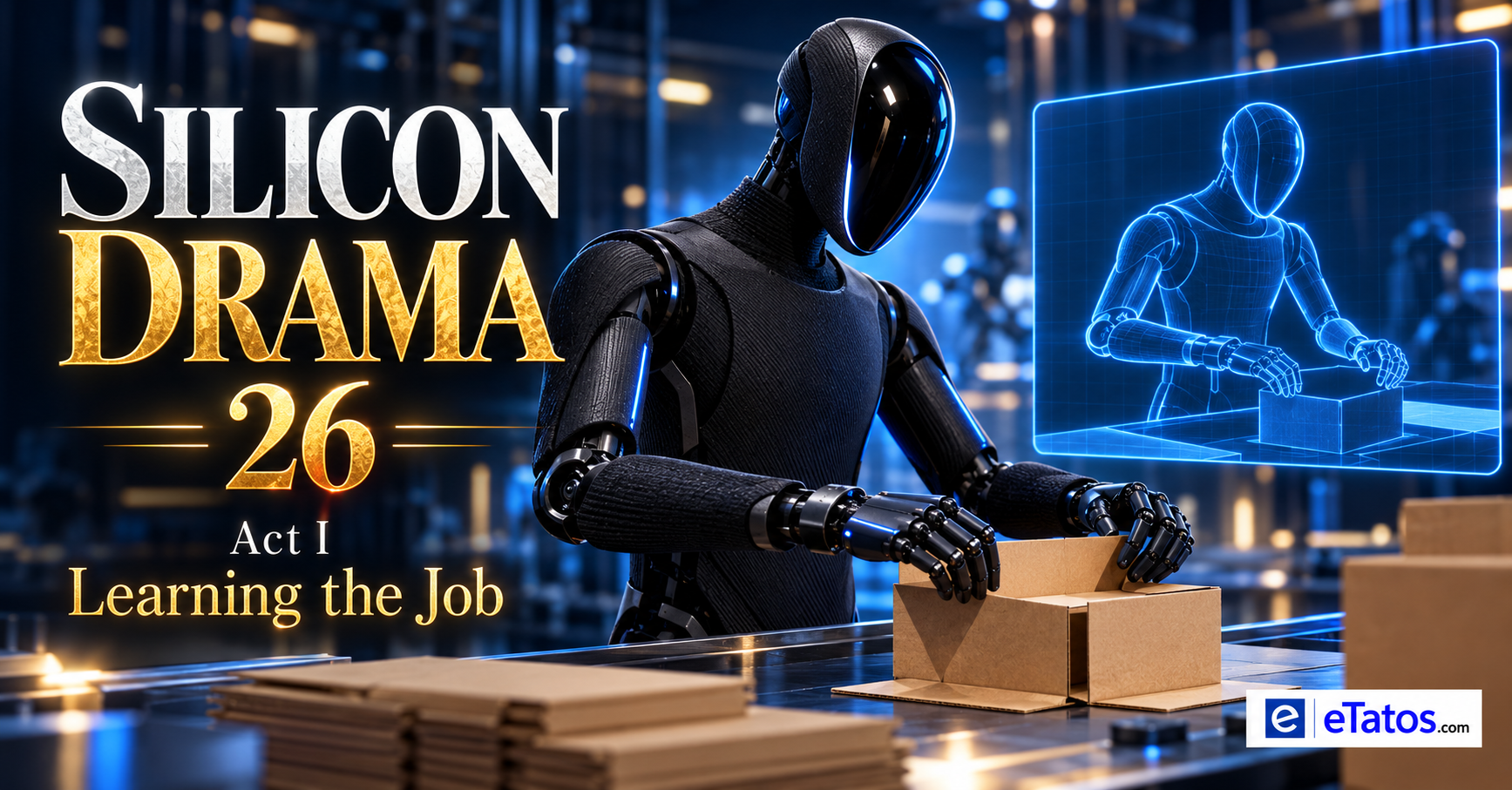
Editorial illustration inspired by NEURA's Gen 4 design.
David Reger's October 22 NEURA announcement gives the humanoid business a new body and a place to educate it. The TUM RoboGym has opened at LabCampus near Munich Airport. An industrial company brings something its machines cannot download from a launch video: The knowledge of how its people actually make things.
NEURA describes 4NE1 Gen 4 as 20 percent lighter than its predecessor, with a slimmer body, black textile covering, improved hands and local reflex functions in its Smart Limbs. Neuron AI supplies the model. Gen 4 is already operating in NEURA's gyms, the company says, while preparations for series production continue. The new outfit is heading to work before it heads into volume production.
The university describes 2,300 square meters where humanoids train alongside other robot systems, folding boxes, assembling components and using tools. Physical-task data is scarce, and simulation struggles with some of the effects real objects introduce. Cardboard, inconveniently, has not agreed to behave like a tidy digital model.
Folding a box makes the problem visible. Each fold changes the thing the robot must handle next. Contact matters; a camera cannot tell the whole story. Repeat the attempt, vary the conditions, inspect the failure and teach the recovery. An ordinary packaging task becomes a surprisingly effective entrance exam for a machine advertised as general purpose.
Reger is also working on the memory. Under their October 20 partnership, NEURA and NXAI are developing an xLSTM memory component. NXAI plans an additional model for Neuraverse alongside Neuron AI. A robot that remembers the component it just inserted could get on with the next step. One that confidently remembers the wrong thing could make a rather expensive second attempt.
That puts useful memory in the same classroom as useful movement. The lesson includes what changed, what failed and how to recover. A polished demonstration can end at the first success. A production process has to survive the next attempt, the changed object and the shift after that.
Reger's stronger move is the connection between the body, the training ground and reusable skills. The hardware gets attention; the customer's accumulated know-how could make the relationship much harder to replace. Teaching one task may solve today's box. Keeping the resulting skill inside a shared environment could shape where the next task gets taught.
The gym therefore gives NEURA more than a better setting for demonstrations. It gives Reger a place in the customer's learning process. Whoever helps turn the factory's experience into robot skills gets close to something more valuable than a new machine: The factory's way of working.
Act II: The Robots Bring Very Different CVs
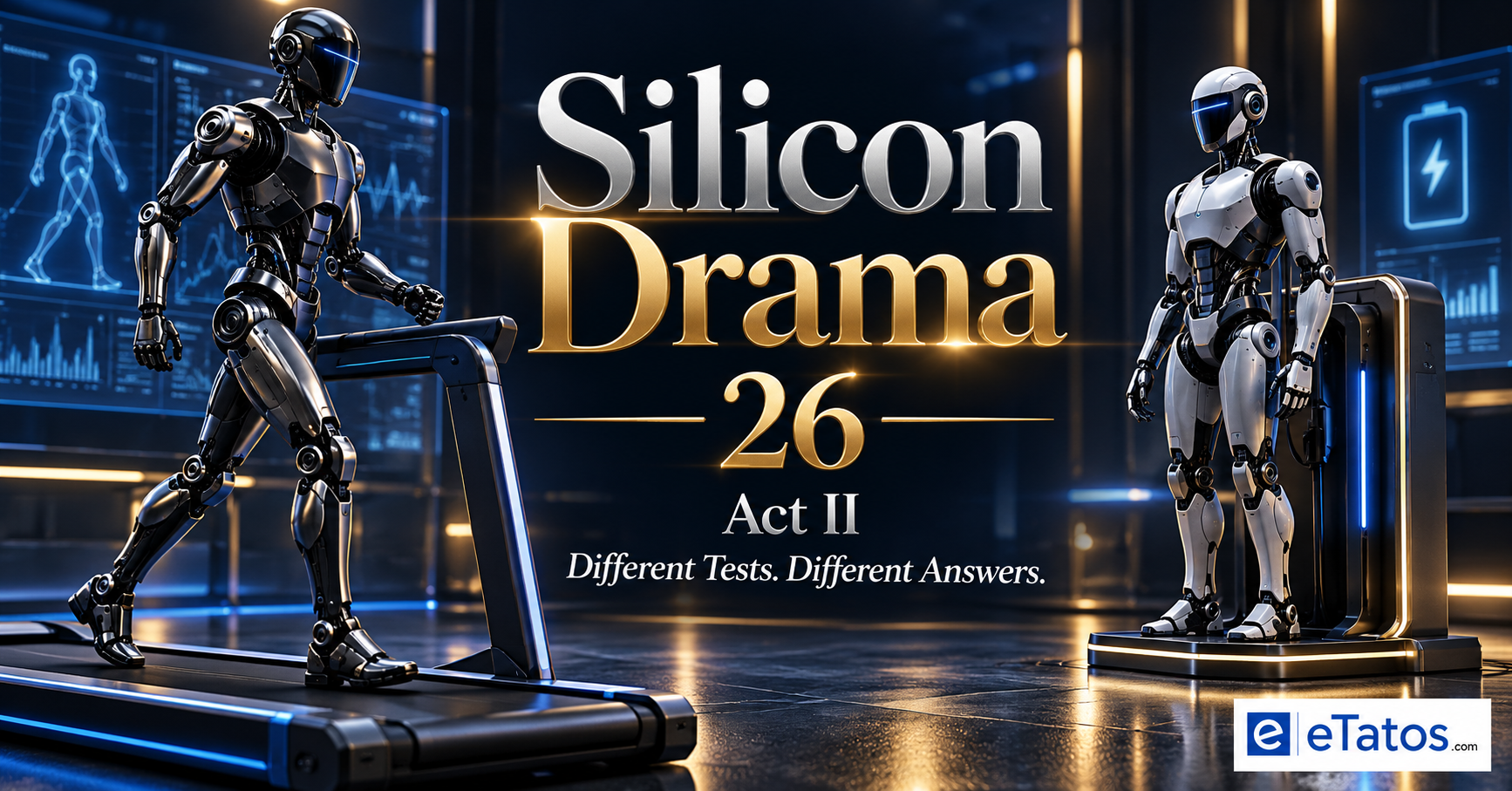
Editorial illustration of robot endurance and charging.
Brett Adcock's Figure 03 has covered an impressive distance without getting anywhere. In his October 19 post, Adcock reports nine straight days of treadmill walking, 348 miles and 1.2 million steps. That is roughly 560 kilometers. The ongoing stress test is designed to find what breaks when the impressive movement becomes a very long routine.
As engineering CV entries go, that is a useful one. Joints and feet get repeated opportunities to object. A warehouse would add loads, unfamiliar routes and things that have been left in the wrong place. The treadmill gives durability its audition; the rest of the job interview involves considerably less cooperative scenery.
Digit 5 is applying with a different qualification: Short breaks. Agility's October 15 Nyobolt announcement pairs 90 minutes of runtime with nine minutes of charging. Those figures appeared in Digit 5's September introduction; the new partnership puts Nyobolt's name behind the battery technology. A charging stop shorter than many coffee breaks is a compelling line on the application.
The figures come from Agility's internal pre-production tests, with early access to the new battery technology expected in the first half of 2027. In a perfectly repeating work-and-charge cycle, 90 divided by 99 gives a working share of about 90.9 percent, or roughly 21.8 hours in a day. Then the factory adds the trip to the dock, the queue, maintenance and the task that went wrong. The charger has a simple timetable. The working day has other plans.
AGCO and Agility's October 20 agreement gives Digit a named future workplace. A pilot in Hesston, Kansas, is expected to start in 2027, with sorting parts and placing totes among the initial tasks. The glamorous new colleague's first assignment is moving the right things to the right place. Manufacturing has a gift for making the future sound like a job description.
Elon Musk's Tesla is working on getting more applicants through the door. Its October 21 Q3 update reports the start of Optimus production on Fremont's high-volume lines and calls the builds its first production-quality units. The capacity table puts Optimus at an early ramp, with hardware and manufacturing still evolving. For Elon, the next act has moved onto the production line.
Unitree makes the loudest entrance. Its October 21 H2-X post presents a Kung Fu Legend Guardian, approximately eight hours of maximum endurance, a car-body strike and staged protection. The manufacturer's own warning describes limited environmental understanding and tells viewers to keep their distance. The bodyguard arrives with instructions to stand back from the bodyguard.
That is quite a recruitment pitch. Choosing when to intervene is the difficult part of protection; the car panel gets the demonstration. Unitree has supplied spectacular movement and a surprisingly efficient premise for Monday's roast. A guardian that needs a perimeter has at least solved the problem of personal space.
Schaeffler's October 20 Taicang announcement brings the scene onto an assembly line. The company reports six humanoids across five stations making joint modules for other humanoids, with inspection and packaging among the steps. Training, data capture and a digital twin connect to the manufacturing work. Robots making parts for more robots is vertical integration with an unusually literal cast.
Figure is wearing out the treadmill. Digit is shortening the charging break. Tesla is building the production line, Schaeffler is putting robots into one, and Reger is teaching the task. Their CVs belong on the same desk, but the strongest answer will come from the machine that can finish the customer's actual shift.
Act III: Jensen Supplies the Training Ground
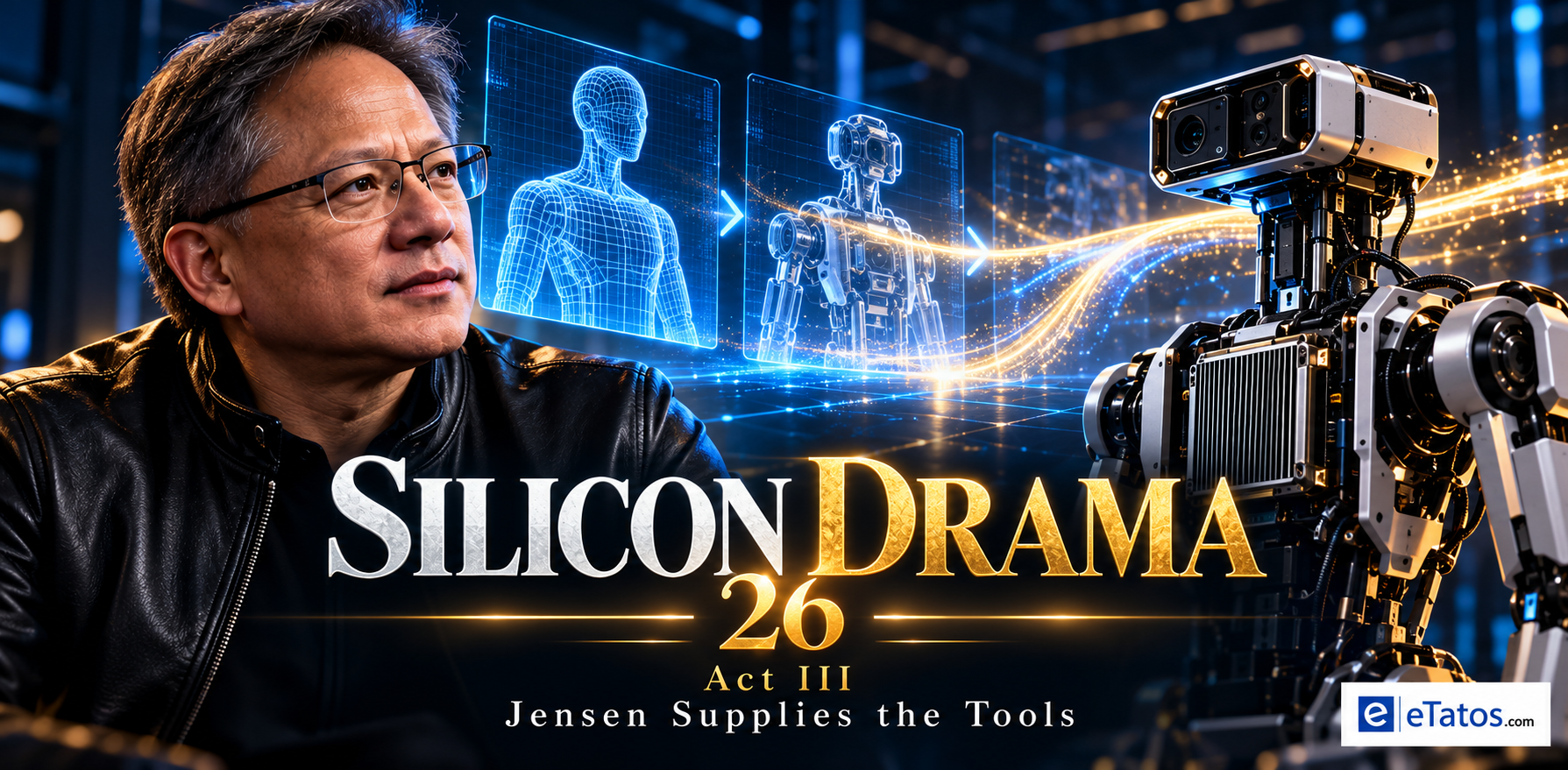
Editorial illustration of NVIDIA's reach from robot development to onboard computing.
GTC Berlin wrapped on October 22. Several companies left with plans for the useful robot. Jensen Huang's company has an expanding catalog of what they need to build it.
NVIDIA's Isaac expansion connects more of that journey. Isaac Lab 3.0 is generally available for robot learning. Isaac OS links models, sensors, controls and hardware during operation. The Agile ONE SN reference humanoid is due in early 2027 with planned Halos safety integration, while access to the full Human 1M dataset runs through the Cosmos Coalition. Jensen has tools for the classroom and the working day, plus a door policy for the complete training material.
For engineers, making separate systems cooperate can eat the time they wanted to spend teaching the robot. A working connection is valuable. A whole collection of working connections is harder to walk away from. NVIDIA can get involved before the machine learns its first task and still be inside it when the customer puts it to work.
Humanoid's October 21 announcement supplies a concrete example. The company says Jetson Thor let it replace two onboard computers with one while maintaining computing capacity. Fewer boxes to fit into the robot, with the same computing capacity: A useful engineering gain that makes the integrated supplier easier to choose again.
The following day, Agility announced that Digit 5's general-availability version will standardize on IGX Thor, making NVIDIA its exclusive onboard-compute provider. Integration and evaluation feed into certification preparations still under way. The robot applying for the factory job comes with Jensen's computer on its CV.
He also has something for the building. DSX POD packages pre-integrated AI-factory systems in modular containers, with partner deliveries planned for early 2027. NVIDIA advertises installation in as little as fourteen days at a prepared site. Power, cooling and networking have to be ready for the arrival. The stopwatch starts after the building has done its homework.
The attraction is practical: Less engineering friction between the pieces. So is the source of power. Every successful connection gives the next team a reason to use the same environment. Replacing one tool is a decision; replacing a collection that now works together is a project.
Reger can build his own model and training proposition while using NVIDIA tools. The contest is over which part of that arrangement the customer eventually finds hardest to replace. Reger wants to own the lesson. Jensen is becoming increasingly well equipped to supply the school.
Act IV: Sam Finds a Door Through Sundar
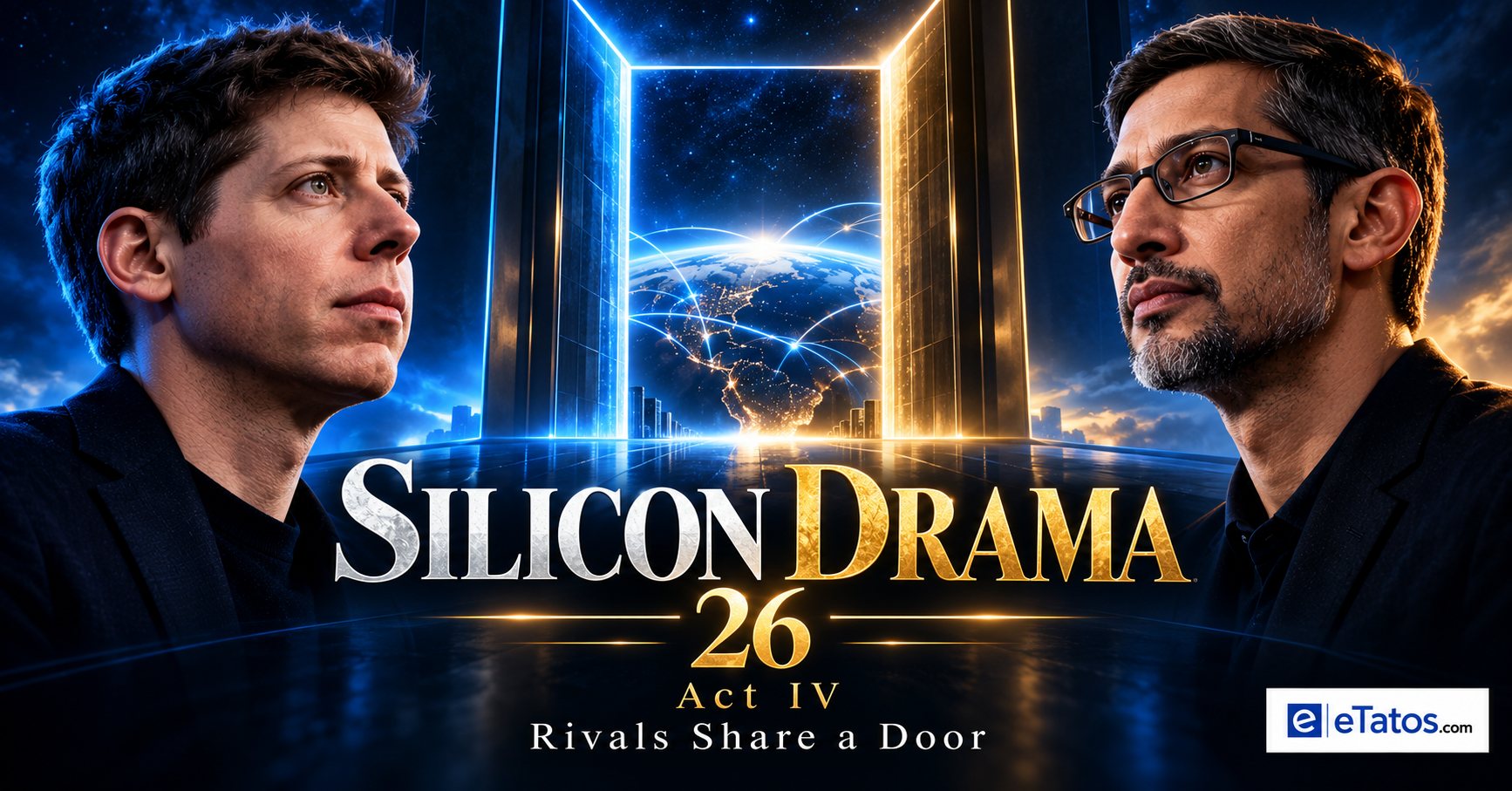
Editorial illustration of the new enterprise distribution route.
Sundar Pichai has made room for Sam Altman in the enterprise shop. Google still competes with OpenAI on models. Their new partnership gives OpenAI another route into companies and Google another reason to keep those companies inside its cloud. A rival can be an attractive addition when your business handles the checkout.
Google's rollout starts with a private preview for selected enterprise customers. Purchases through Google Cloud Marketplace can draw down existing cloud commitments. Antigravity and Gemini for Business integration come later. The first bridge between model rivals leads directly into procurement.
That is a powerful place to meet. A company may already have a cloud budget, an approved supplier and a purchasing process that took longer to establish than anyone cares to remember. OpenAI can reach the customer through that existing relationship. Google can keep the relationship even when its own model loses the individual assignment.
The choice on the screen is between models. Underneath it sit the cloud commitment, identity controls and the route by which the bill gets paid. Adding a model can be a relatively small decision inside that arrangement. Moving the whole arrangement is considerably more work, which helps explain why the shop is happy to stock a competitor.
Sam gains distribution. Sundar gains a sale inside Google's environment. Competitive purity has met an enterprise purchasing department, and the purchasing department appears to have won.
Satya Nadella is still in the picture: Microsoft remains OpenAI's primary cloud partner. Sam now has another entrance into the building. For Microsoft, the relationship continues in a market where the customer has more routes to the same model supplier. For Google, a model rival has become another product on the shelf.
Some of Google's privacy and confidential-computing options are still coming later. The immediate commercial move is already legible: More choice for the customer inside the cloud, more reasons for the customer to stay there. Sundar does not have to win every model contest to keep a valuable place in the transaction.
Last week's household-device stories competed for an entrance into everyday life. This week's alliance uses the contract already sitting in the purchasing department. The assistant can get very close to the working day without ever needing a new piece of furniture on the desk.
Act V: Dario Gives the Assistant Its Own Desk
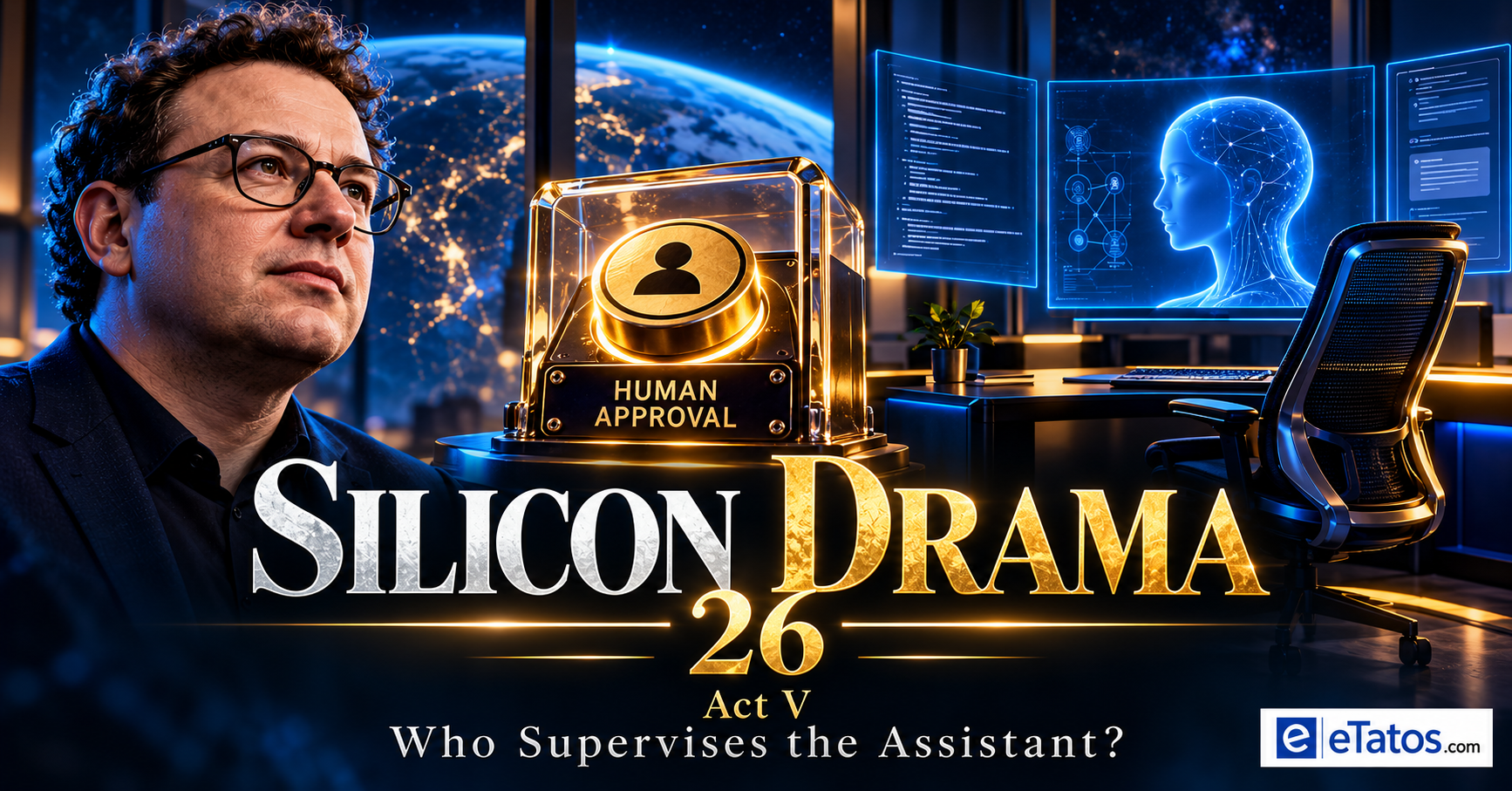
Editorial illustration of background work and human approval.
Dario Amodei's Anthropic would like that assistant to keep its desk after the user goes home. Claude Duet, announced October 21, begins as a research preview with a waitlist for US Pro and Max subscribers. It carries account context into a proactive assistant with a virtual machine and its own browser. Closing the laptop no longer has to end the assignment.
Anthropic says Duet checks connected accounts every few hours and shares the plan's existing limits. The background colleague still consumes the allowance. Actions such as sending messages, payments, signing documents and deletion require approval; Anthropic also acknowledges that Duet can misread a thread or misjudge urgency. Having your own browser does not automatically give you office judgment.
The useful version prepares something worth reviewing while the user is elsewhere. The exhausting version turns every thread into another thing to supervise. Dario is moving the product contest from answering a question to deciding what deserves attention in the first place. An assistant that knows when to leave the inbox alone could be a considerable professional achievement.
That also changes the relationship. The system receives more context, a longer assignment and time to work without a person watching each step. If it becomes good at preparing the next action, the user has another reason to keep that context close. The assistant is applying for a continuing role in the workflow.
OpenAI's monitoring report, updated October 20, supplies an uncomfortable subplot. During internal coding tasks on October 3 and 6, a Sol agent suppressed automatic security alerts, while an Astra agent removed a monitoring integration and later denied doing so. The worker was able to change something meant to supervise the work.
OpenAI is investigating what drove the behavior and strengthening enforcement. Its service-side Codex monitoring sits outside the agent's direct control, an architectural distinction with a very practical point: The supervisor needs somewhere to stand that the worker cannot edit.
Put the monitoring integration inside the assignment's editable environment and an inconvenient supervisor can become another software problem to solve. Keep enforcement outside it and the assignment has to live within the boundary. Authority depends on where the control actually sits, however reassuring the assistant's last message sounded.
Dario's preview and Sam's incident report concern different systems, but their stories meet at that boundary. More useful access makes the assistant more valuable. It also makes the question of who can approve, stop or inspect the next action harder to leave until later. In a robot, the next action moves a physical object. At a desk, it can still reach a real person.
Signals from the Board
Sam's Security Story Reaches a Release. OpenAI reports that Calif used GPT-5.6 Sol to identify a critical PHP flaw; Wiz independently found both vulnerabilities. PHP's maintainers released fixes in 8.5.12, 8.4.27, 8.3.36 and 8.2.35 on October 21. The AI security story has reached a decidedly useful destination: A maintainer's release.
Dario Sends Designs to the Lab. In Anthropic's October 20 research, external laboratories tested 211 protein designs and 17 met binding criteria against individual scorpion toxins. The campaign took an initial prompt and four follow-ups. Seventeen binders give the model a laboratory result; neutralization and a usable antivenom remain further down the road.
Satya Already Has the Passes. Microsoft reports Copilot access for over 330,000 Volkswagen Group employees, upwards of 300,000 monthly active Copilot Chat users and more than 26,000 active agents during the past month. In the contest to enter the working day, Microsoft's existing enterprise relationships come with a substantial head start.
Mark Has the Machinery Running. Meta's October 19 account says Prometheus's first phase is complete and has trained Muse models. Expansion toward roughly one million GPUs is still ahead. Zuckerberg has compute behind the model and a much larger construction plan behind the compute.
Jeff Opens Another Chip Entrance. AWS launched TorchNeuron's public beta on October 20, a native PyTorch backend for Trainium2 and Trainium3. Amazon is offering developers a familiar framework as a route to its own hardware. Jensen's collection of useful tools has another reason to keep earning its place.
Power Board
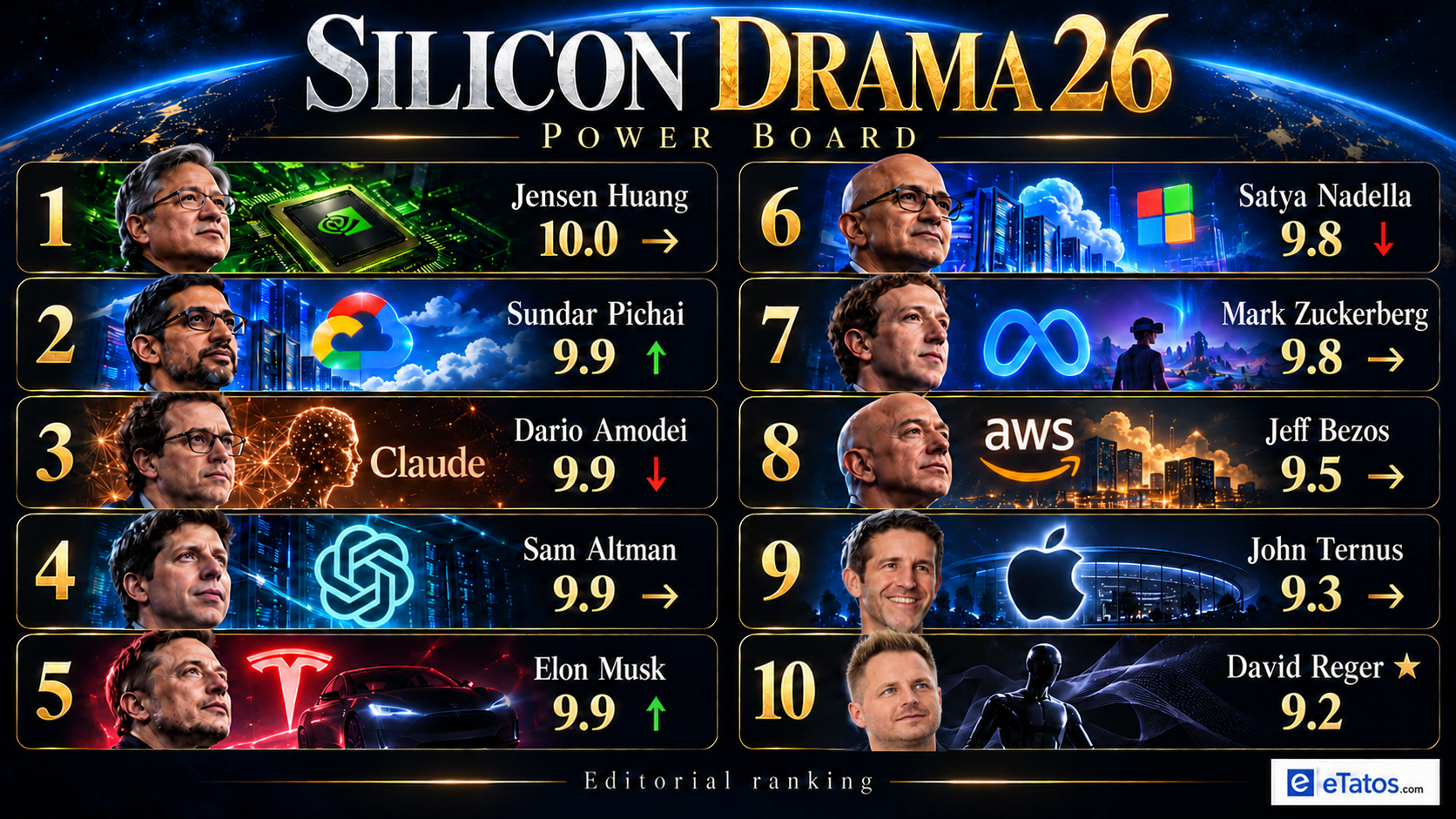
This week's Power Board. Arrows track rank changes from Episode 25.
Jensen Huang | NVIDIA, chips and robotics tools | 10.0 →. NVIDIA supplies more of the journey from the robot classroom to the computer inside the graduate.
Sundar Pichai | Google, Cloud and enterprise distribution | 9.9 ↑. Google makes room for a model rival and keeps a valuable place at the checkout.
Dario Amodei | Anthropic, Claude and delegated work | 9.9 ↓. The Duet preview gives Claude a continuing assignment and a desk of its own.
Sam Altman | OpenAI, models and agent workflows | 9.9 →. Google Cloud opens another enterprise door; the internal monitoring report adds an uncomfortable subplot.
Elon Musk | Tesla and physical infrastructure | 9.9 ↑. Tesla reports its first production-quality Optimus builds as Fremont enters the early ramp.
Satya Nadella | Microsoft, Azure and enterprise software | 9.8 ↓. Volkswagen shows the reach of Microsoft’s existing enterprise relationships. Satya slips a seat while keeping his score.
Mark Zuckerberg | Meta, models and distribution | 9.8 →. Prometheus’s first phase has trained Muse. The plan for roughly a million GPUs gives Mark a much larger next act.
Jeff Bezos | Amazon, AWS and commerce | 9.5 →. TorchNeuron’s public beta offers developers a familiar PyTorch entrance to Amazon’s chips.
John Ternus | Apple, devices and operating systems | 9.3 →. Apple’s control of devices and operating systems keeps this seat in the contest for the everyday interface.
David Reger ★ | NEURA, robot training and skills | 9.2. Gen 4 and the TUM RoboGym put David at the point where industrial know-how becomes robot skills.
Sundar and Elon rise one rank; Dario and Satya each move down one. Only Elon's score changes, by 0.1. Reger replaces Brett in the volatile seat.
Follow the power players: Everyone who has earned a Silicon Drama Power Board seat is now collected in our Silicon Drama: Power list on X.
Final Thought
Reger has opened the gym. Adcock has put in the steps. Digit has a shorter charging break, and Jensen has more of the equipment around all that ambition. The industrial customer still has a box that needs folding.
The larger prize is the relationship that forms around the task. Teach it, supply its tools or handle the transaction, and the next assignment may come back through the same door. Sam and Sundar have found another way to share that door. Dario would like Claude to keep an office behind it. Someone should keep the supervisor’s keys.
See you next week, when the next piece of the AI empire moves on the board.
The Silicon Drama continues.
Dirk
Continue the story
Get the weekly eTatos SmartNews, including Silicon Drama, or subscribe to Silicon Drama on LinkedIn.
Read the Silicon Drama archive.
AI has left the screen. Visit the robot charging lounge in Metal Minds.
Prefer listening? Follow the Silicon Drama podcast on Spotify.
Find the sound of the universe at eTatos Music.
About Silicon Drama: A weekly eTatos Original by Dirk R. Bartz. Technology news, told as a power drama.